Master Stonecutter Recipes: Essential Building for Valheim & Minecraft
In the vast, blocky, and often perilous worlds of Valheim and Minecraft, diligent builders and intrepid adventurers are constantly seeking tools that enhance efficiency, unlock new capabilities, and streamline their crafting endeavors. Among these invaluable implements, the Stonecutter stands out as a true game-changer. While appearing in two distinctly different sandbox survival titles, the core purpose of the Stonecutter recipe in both Valheim and Minecraft converges: to transform raw stone into an astonishing array of sophisticated structures, crafting materials, and aesthetic details that elevate your base, fortify your defenses, and propel your progression. Understanding how to acquire and utilize this essential workstation is key to mastering the art of building and expanding your horizons in either game.
Whether you're paving grand roads through the meadows of Valheim or intricately detailing a monument in Minecraft, the Stonecutter minimizes waste, maximizes aesthetic choice, and unlocks possibilities far beyond what a basic crafting table or simple manual placement can offer. Let's delve into the specifics of how to unlock and leverage the power of the Stonecutter in each unique universe.
The Valheim Stonecutter: Unlocking Ancient Secrets for Modern Builds
In the Norse-inspired purgatory of Valheim, survival often hinges on sturdy shelter and strategic infrastructure. This is where the Valheim Stonecutter proves its worth, acting as the cornerstone for advanced stone construction. Far more than just a decorative piece, this workstation is indispensable for players looking to transition from rudimentary wooden shacks to formidable, enduring stone fortresses.
What the Valheim Stonecutter Enables
Once you've built a Stonecutter, a wealth of construction options opens up. You can craft robust structures like stone walls, creating impenetrable barriers against even the most fearsome creatures. Imagine grand stone arches leading into your courtyards or elegant stone pillars supporting your longhouse’s roof – all made possible by the Stonecutter. It's also vital for practical elements such as crafting the cozy hearth and laying down durable paved roads, essential for efficient movement around your base and through your territory. Furthermore, the Stonecutter isn't limited to just structural elements; it's a critical component in your crafting progression.
- Sharpening Stones: These are forged at the Stonecutter and are a prerequisite for creating the Grinding Wheel upgrade, a crucial addition to your Forge that unlocks higher-tier weapon and armor crafting.
- Wisp Fountains: As you venture into the mystical, fog-shrouded Mistlands biome, the Wisp Fountain becomes paramount. Built exclusively at the Stonecutter, these structures are essential for collecting Wisps, luminous spirits that pierce through the dense mist, making exploration of this dangerous biome possible. Without a Stonecutter, true mastery of the Mistlands remains out of reach.
Unlocking and Crafting the Valheim Stonecutter Recipe
Unlike some basic tools, the Stonecutter recipe in Valheim isn't available from the start. It's tied to your progression through the game's biomes and boss encounters, making its acquisition a significant milestone. The key to unlocking this blueprint is acquiring Iron.
- The Iron Trigger: The recipe for the Stonecutter is automatically unlocked the moment you add a bar of refined Iron to your inventory. This means you first need to venture into the treacherous Swamp biome.
- Accessing the Swamp: While you can technically enter the Swamp at any time, truly harvesting its valuable resources requires specific progression. To access the Sunken Crypts—dungeon-like structures where Scrap Iron is found—you'll need the Swamp Key.
- Defeating The Elder: The Swamp Key is obtained by defeating The Elder, the second boss of Valheim, found deep within the Black Forest. To summon him, you must collect three Ancient Seeds and place them on his Forsaken Altar.
- Mining Scrap Iron: Once you have the Swamp Key, you can delve into the waterlogged Sunken Crypts. Equip a pickaxe and mine the muddy scrap piles within to extract Scrap Iron.
- Smelting Iron: Bring your Scrap Iron back to your base and process it in a Smelter (fueled by Coal) to produce refined Iron ingots. The moment an Iron ingot enters your inventory, the Stonecutter recipe will appear in your crafting menu.
With the recipe unlocked, gather the following materials to construct your Valheim Stonecutter:
- Wood x 10
- Iron x 2
- Stone x 4
The journey to the Valheim Stonecutter is an adventure in itself, marking a significant step up in your building and exploration capabilities. It signifies your readiness to conquer tougher challenges and construct a legacy that will withstand the trials of Valheim.
The Minecraft Stonecutter: Precision and Efficiency for Cubic Creations
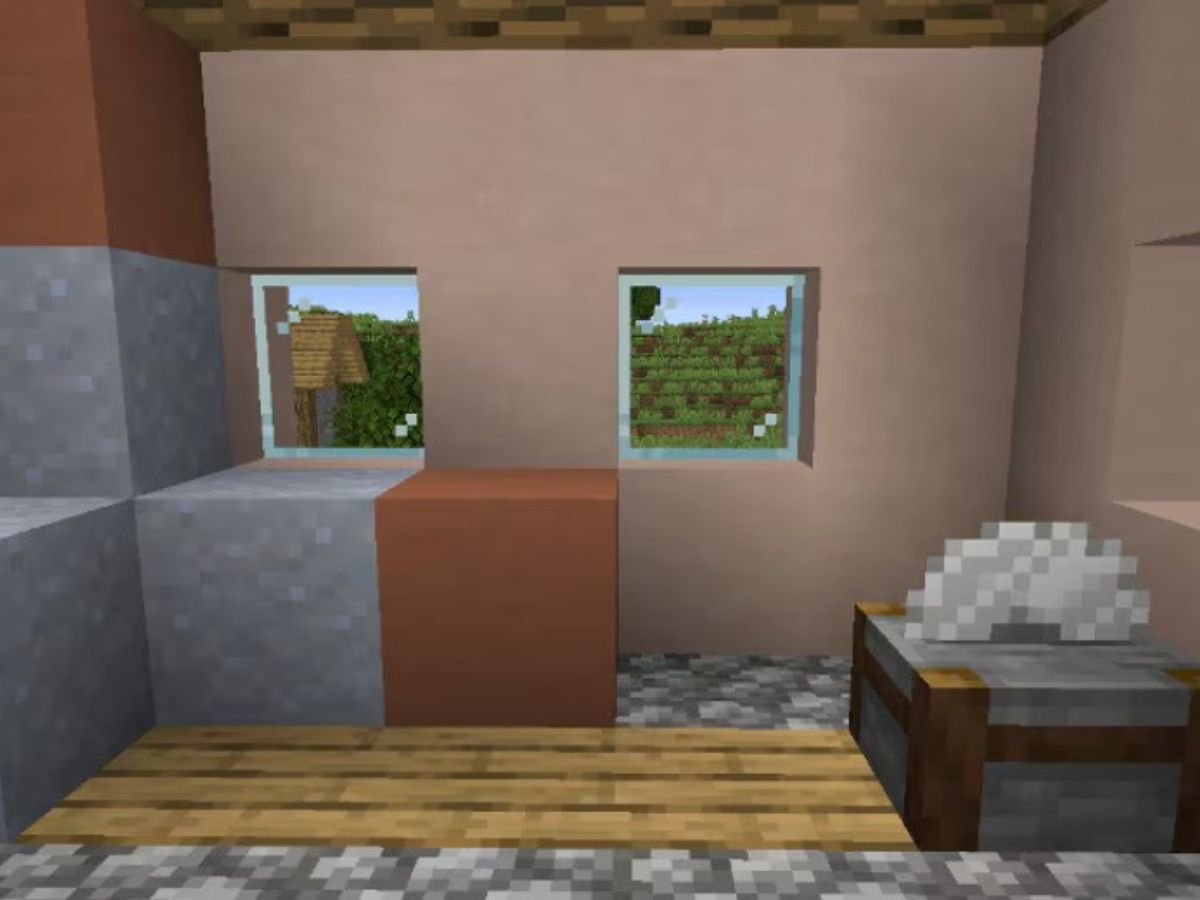
In Minecraft, the Stonecutter might not be as critical for progression as it is in Valheim, but for any serious builder or architect, it's an indispensable tool that offers unparalleled efficiency and creative freedom when working with stone-based blocks. Introduced in Java Edition 1.14, the Stonecutter transformed how players approach detailed stone construction, moving beyond the often wasteful and limited options of the standard crafting table.
Why the Minecraft Stonecutter is a Builder's Best Friend
While a crafting table can convert some stone into slabs, stairs, or other variants, it often requires a full block of material for a single component or yields multiple items when only one is needed, leading to wasted resources. The Minecraft Stonecutter, however, allows for precise, 1:1 conversions. Need a single stone slab? Place one stone block in the Stonecutter, and you'll get two slabs back. This efficiency is invaluable for large-scale projects or when resources are scarce.
The Stonecutter's utility extends to virtually all varieties of stone blocks, offering a versatile palette for your creations. This includes:
- Cobblestone and Mossy Cobblestone
- Stone, Andesite, Diorite, Granite (and their polished versions)
- Sandstone and Red Sandstone
- Quartz Blocks
- Prismarine, Dark Prismarine, and Prismarine Bricks
- Nether Bricks, End Stone Bricks, and more!
If you're meticulously building a towering sandstone fortress, a detailed prismarine monument, or an elegant quartz temple, the Stonecutter ensures every block counts, allowing for intricate designs without the frustrating waste. It's the ultimate tool for achieving a refined aesthetic in your stone builds, empowering you to craft specific shapes like walls, stairs, slabs, and chiselled variants with optimal resource management. For a deep dive into its crafting and utility, see our dedicated guide: Minecraft Stonecutter: Craft Essential Tool for Efficient Stone Builds.
Crafting the Minecraft Stonecutter Recipe
The Stonecutter recipe in Minecraft is relatively straightforward to acquire once you've established a basic survival setup. You'll need to be playing on version 1.14 or above to access this tool.
To craft a Stonecutter, you will need:
- Iron Ingot x 1
- Stone x 3 (these can be regular Stone, Andesite, Diorite, or Granite)
Place these ingredients in a crafting table: position the Iron Ingot in the top-middle slot, and the three Stone blocks in the middle row beneath it (left, center, right). That’s all it takes! The simplicity of its crafting recipe, combined with its profound utility, makes the Stonecutter an early-game priority for any player with building ambitions.
While one Stonecutter is often sufficient, especially given its portability (you can break and re-place it easily), players with multiple bases or extensive building projects might find it beneficial to craft several. This allows for convenient access to its block-saving power wherever your creative endeavors take you.
Comparing Stonecutters: Shared Purpose, Unique Journeys
At their core, the Stonecutter in both Valheim and Minecraft serves to refine and diversify stone blocks. Both tools are essential for players who wish to move beyond simple, rough structures and embrace more sophisticated, aesthetically pleasing, and functional designs. However, their acquisition methods and broader impact on gameplay differ significantly, reflecting the distinct progression systems of each game.
- Acquisition: In Valheim, obtaining the Stonecutter is a journey-based milestone, requiring players to defeat a boss and venture into dangerous biomes for specific resources. It's a clear indicator of progression. In Minecraft, it's a relatively simple crafting recipe, accessible early on with basic mining and smelting, making it a tool for immediate building efficiency rather than a late-game unlock.
- Utility: The Valheim Stonecutter is broader in its functionality, not only enabling advanced construction but also serving as a crucial workstation for crafting essential progression items like Sharpening Stones (for Forge upgrades) and Wisp Fountains (for Mistlands exploration). The Minecraft Stonecutter, while incredibly efficient, is singularly focused on the precise conversion of stone-based blocks, streamlining construction and resource management.
Despite these differences, both versions of the Stonecutter empower players. They transform a common, foundational resource—stone—into a versatile building material, enabling the creation of intricate designs, robust defenses, and crucial utilities that are paramount to success and enjoyment in their respective worlds.
Expert Tips for Maximizing Your Stonecutter's Potential
To truly master your building and crafting in Valheim and Minecraft, integrating the Stonecutter effectively is key. Here are some actionable tips:
- Valheim: Prioritize Iron Early. Don't shy away from The Elder and the Swamp. The sooner you unlock the Stonecutter, the sooner you can build durable stone defenses and begin crafting critical upgrades for your gear. Strategically placing Stonecutters near mining outposts or major construction sites can save travel time.
- Minecraft: Embrace Aesthetic Variety. Experiment with different stone types using your Stonecutter. The ability to efficiently craft variants of sandstone, quartz, granite, and more allows for incredible texture and detail in your builds. Always keep a Stonecutter near your main crafting area, and consider carrying one in your inventory for on-the-go building adjustments.
- Resource Management is Key. In both games, the Stonecutter promotes thoughtful resource use. In Minecraft, it's about minimizing waste. In Valheim, it's about making the most of your harder-to-acquire iron and stone. Always know what you need and what the Stonecutter can provide.
- Plan Your Layouts. Whether it's a sprawling Valheim base or a compact Minecraft village, visualize your stone structures before you begin. The Stonecutter will help you execute those visions with precision and less material overhead.
Conclusion
From the harsh, Viking-inspired lands of Valheim to the boundless, blocky realms of Minecraft, the Stonecutter is an undeniable asset for any aspiring architect or survivalist. It represents a leap forward in construction, transforming simple stone into a cornerstone of sophisticated design and crucial utility. Understanding the specific Stonecutter recipe for each game, and the unique benefits it offers, is essential for unlocking advanced building techniques, enhancing your base's resilience, and facilitating deeper exploration and progression. So, whether you're battling Draugr to secure Iron or simply shaping the perfect quartz stair, make sure the Stonecutter is a central tool in your arsenal. Master its recipes, and watch your creative visions come to life, block by meticulously cut block.